Germany's Fuel Crisis: Ministers Tackle Skyrocketing Costs Amid Iran Conflict
The escalating conflict in the Middle East, particularly the Iran War, has sent *Benzinpreise* (fuel prices) soaring across Germany, pushing both petrol and diesel past the psychologically significant two-euro mark per liter. This dramatic surge has ignited fierce debate among politicians and consumers alike, prompting stern warnings from federal ministers against potential price gouging by mineral oil companies. While the government pledges scrutiny, the Federal Cartel Office (Bundeskartellamt) tempers expectations for immediate relief, highlighting the complex geopolitical drivers behind the current crisis.
The situation is becoming increasingly dire for German motorists, many of whom are now forced to seek cheaper alternatives abroad or fundamentally rethink their driving habits. The rapid increase, largely attributed to the Iran War's impact on global energy markets, underscores Germany's vulnerability to international events and the intricate dance between market forces and political intervention.
The Escalating Crisis: Fuel Prices Surge Past €2
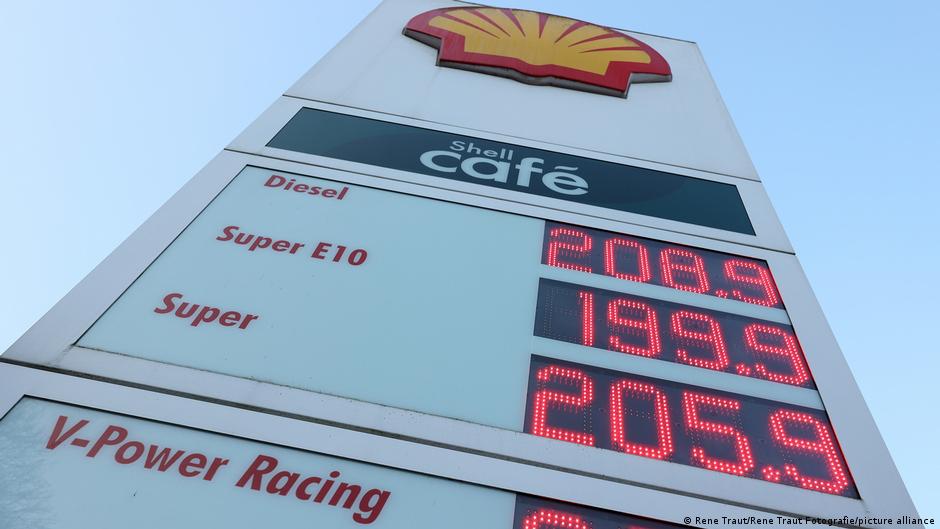
The stark reality of the Iran War's economic fallout is now visible at German petrol stations nationwide. Following a sharp increase in diesel prices, the benchmark Super E10 petrol variety also crossed the 2-euro-per-liter threshold in its national average. This marks a significant and alarming development, reflecting the direct and immediate consequences of the geopolitical tensions on everyday life.
According to data from the ADAC (Germany's largest automobile club) and other market observers, diesel, often considered more sensitive to external factors like crises and wars, saw even steeper increases, reaching its highest point since October 2023. Super E10 also hit values not seen since May 2024, demonstrating the breadth of the price hikes. The primary reason for this relentless ascent is the ongoing Iran War, coupled with the critical role of the Strait of Hormuz for global oil and gas shipments. The escalation of the conflict has directly translated into significantly higher crude oil and gas prices on international markets, which in turn propagate down to the consumer at the pump.
This situation has caused widespread concern, with the ADAC's online price comparison tool reportedly becoming overloaded at times due to the sheer volume of drivers desperately searching for the cheapest fuel options. The rising costs are not just an inconvenience; they represent a significant financial burden on households and businesses alike, threatening to fuel inflation and slow economic recovery.
Political Scrutiny and Warnings Against "Abzocke"
The rapid increase in fuel prices has naturally drawn the attention of German politicians, who are under immense pressure to alleviate the burden on citizens. The government has made it clear that while geopolitical factors are understood, any attempt to exploit the crisis for undue profit will not be tolerated.
Economic Minister Katherina Reiche's Pledge
Bundeswirtschaftsministerin Katherina Reiche (CDU) was among the first to address the crisis publicly, announcing a thorough review of the current pricing situation. Speaking in a podcast, Reiche stated, "We will ensure that a market situation which is reflected on the global markets is not exploited to this extent." She confirmed ongoing intensive discussions with the Bundeskartellamt to investigate whether price hikes are disproportionate to the actual market developments. However, Reiche also previously ruled out the implementation of a direct "fuel price brake," indicating a cautious approach to direct market intervention. Her position suggests a focus on preventing unfair practices rather than artificially capping prices, which could have unintended economic consequences.
Finance Minister Lars Klingbeil's Firm Stance
Further bolstering the government's resolve, Bundesfinanzminister Lars Klingbeil (SPD) issued a stark warning to mineral oil companies. Appearing on ZDF, Klingbeil threatened consequences should companies attempt to capitalize unfairly on the current global situation. He unequivocally stated, "There must be no 'Abzocke' [rip-off/price gouging] here now, and politics must, of course, act and proceed clearly and consistently." This strong language from a senior government official signals a serious intent to monitor the market closely and intervene if evidence of exploitative pricing emerges. The government's concern is twofold: to protect consumers from unfair practices and to maintain public trust during a period of economic uncertainty.
Bundeskartellamt: Reality Check on Quick Relief
While ministers are vocal about preventing price gouging, the Federal Cartel Office (Bundeskartellamt), the independent authority responsible for enforcing competition law, has offered a more measured perspective on the prospects of rapid intervention. As the primary body for overseeing market behavior, its insights are crucial to understanding the limitations and capabilities of official responses.
Bundeskapellamt President Andreas Mundt confirmed that the authority continuously analyzes fuel price developments. He affirmed that "Should there be indications of anti-competitive behavior by mineral oil companies, we will consistently take action against it." This commitment reassures the public that genuine cartel behavior or illegal price fixing will be pursued.
However, Mundt also delivered a sobering message: the Cartel Office lacks the instruments "to prevent geopolitically driven price increases at the push of a button." This distinction is critical. The Bundeskartellamt can address issues like collusion or abuse of market dominance by companies, but it cannot fundamentally alter the global dynamics of crude oil supply and demand that are currently being influenced by the Iran War and the associated risks in key shipping lanes like the Strait of Hormuz. The challenge lies in discerning between legitimate market responses to global events and deliberate, anti-competitive exploitation. For a deeper dive into the Cartel Office's perspective, you can read more at
German Fuel Crisis: Cartel Office Damps Hopes for Quick Relief.
Beyond Geopolitics: Understanding Market Dynamics and Consumer Strategies
Understanding the larger market forces at play is essential for consumers looking to navigate these challenging times. While the Iran War is a significant factor, other dynamics also contribute to price fluctuations.
Why Diesel Reacts More Sensitively
Christian Laberer, a fuel market expert at the ADAC, explained that "Diesel reacts, from experience, more sensitively to external factors such as crises or wars. The price swings – be it upwards or downwards – are therefore usually stronger." This sensitivity is often attributed to diesel's broader industrial and freight use, making its demand less elastic and its supply chains more susceptible to disruption. Any instability in crude oil supply or refining capacity can have a more pronounced effect on diesel prices.
Practical Tips for Drivers
In the face of persistently high fuel costs, German drivers can adopt several strategies to mitigate the impact on their wallets:
- Monitor Prices Actively: Utilize apps from the ADAC or other price comparison services to find the cheapest stations in your area. Prices can vary significantly even within short distances.
- Choose Optimal Fueling Times: Prices often fluctuate throughout the day, typically being higher in the morning and evening commute times, and lower during off-peak hours or late evenings.
- Practice Eco-Driving: Smooth acceleration, anticipating traffic, avoiding high speeds, and maintaining consistent speeds can significantly reduce fuel consumption.
- Regular Vehicle Maintenance: Ensure your tires are properly inflated, your engine is well-tuned, and filters are clean. A well-maintained vehicle is more fuel-efficient.
- Consider Alternatives: For shorter distances, consider cycling, walking, or using public transport. Carpooling for commutes can also share the cost burden.
- Plan Longer Journeys: Map out routes to avoid traffic jams and find petrol stations with competitive prices along your way.
The Broader Economic Impact
The soaring fuel prices extend their effects far beyond individual motorists. They act as a powerful inflationary force across the economy. Transportation costs for goods increase, impacting supply chains and ultimately leading to higher prices for a wide range of products and services. Businesses, especially those reliant on logistics, face increased operational costs, potentially leading to reduced profitability or passed-on costs to consumers. This squeeze on disposable income can dampen consumer spending and slow overall economic growth. The situation underscores the intricate connections between geopolitical stability, energy markets, and domestic economic health. For more insights on the broader implications, see
Iran War Drives German Fuel Prices Past €2: What's Next?.
Conclusion
Germany's battle with soaring fuel costs is a complex issue, deeply intertwined with the geopolitical instability stemming from the Iran War. While federal ministers like Katherina Reiche and Lars Klingbeil have vowed to protect consumers from "Abzocke" and ensure fair pricing, the Bundeskartellamt reminds us that there are limits to domestic intervention against globally driven price hikes. For now, German motorists face the challenge of adapting to higher costs, employing smart driving strategies, and seeking out the best deals. The ongoing crisis serves as a potent reminder of how quickly global events can impact local economies and the daily lives of citizens, underscoring the urgent need for long-term energy security strategies alongside immediate consumer protection measures.